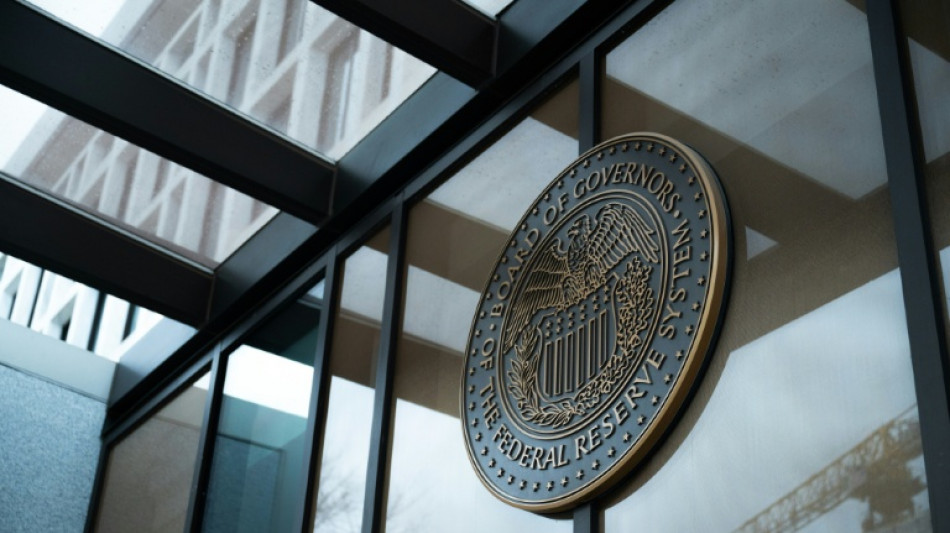
US Fed official says rate hikes may be needed if inflation surges / Photo: © AFP/File

 London
 17 °C
17 °C
 Manchester
 15 °C
15 °C
 Glasgow
 17 °C
17 °C
 Dublin
14 °C
Dublin
14 °C
 Belfast
13 °C
Belfast
13 °C
 Washington
 18 °C
18 °C
 Denver
13 °C
Denver
13 °C
 Atlanta
 18 °C
18 °C
 Dallas
26 °C
Dallas
26 °C
 Houston Texas
27 °C
Houston Texas
27 °C
 New Orleans
27 °C
New Orleans
27 °C
 El Paso
17 °C
El Paso
17 °C
 Phoenix
23 °C
Phoenix
23 °C
 Los Angeles
20 °C
San Diego
20 °C
San Francisco
13 °C
Chicago
Los Angeles
20 °C
San Diego
20 °C
San Francisco
13 °C
Chicago
 18 °C
Minneapolis
17 °C
Seattle
11 °C
Portland
12 °C
Salt Lake City
14 °C
Las Vegas
22 °C
Miami
27 °C
Jacksonville
23 °C
San Antonio
27 °C
Bermuda
26 °C
Nassau
18 °C
Iqaluit
3 °C
Yellowknife
4 °C
Anchorage
3 °C
Fairbanks
18 °C
Minneapolis
17 °C
Seattle
11 °C
Portland
12 °C
Salt Lake City
14 °C
Las Vegas
22 °C
Miami
27 °C
Jacksonville
23 °C
San Antonio
27 °C
Bermuda
26 °C
Nassau
18 °C
Iqaluit
3 °C
Yellowknife
4 °C
Anchorage
3 °C
Fairbanks
 1 °C
Barrow
-5 °C
Calgary
3 °C
Edmonton
20 °C
Winnipeg
8 °C
Goose Bay
17 °C
Halifax
14 °C
Boston
15 °C
Ottawa
16 °C
Toronto
17 °C
Detroit
18 °C
Cleveland
21 °C
New York
19 °C
Baltimore
17 °C
Philadelphia
18 °C
Nuuk (Godthåb)
-1 °C
Hong Kong
32 °C
Singapore
31 °C
Melbourne
23 °C
Canberra
19 °C
Adelaide
17 °C
Darwin
30 °C
Perth
18 °C
Fort Worth
26 °C
Honolulu
1 °C
Barrow
-5 °C
Calgary
3 °C
Edmonton
20 °C
Winnipeg
8 °C
Goose Bay
17 °C
Halifax
14 °C
Boston
15 °C
Ottawa
16 °C
Toronto
17 °C
Detroit
18 °C
Cleveland
21 °C
New York
19 °C
Baltimore
17 °C
Philadelphia
18 °C
Nuuk (Godthåb)
-1 °C
Hong Kong
32 °C
Singapore
31 °C
Melbourne
23 °C
Canberra
19 °C
Adelaide
17 °C
Darwin
30 °C
Perth
18 °C
Fort Worth
26 °C
Honolulu
 25 °C
Sydney
22 °C
Johannesburg
16 °C
Dubai
39 °C
Mumbai
34 °C
Zürich
22 °C
Tokyo
26 °C
Seoul
20 °C
Delhi
35 °C
Beijing
23 °C
Riyadh
40 °C
Prague
20 °C
Pennsylvania
17 °C
Valletta
25 °C
Sydney
22 °C
Johannesburg
16 °C
Dubai
39 °C
Mumbai
34 °C
Zürich
22 °C
Tokyo
26 °C
Seoul
20 °C
Delhi
35 °C
Beijing
23 °C
Riyadh
40 °C
Prague
20 °C
Pennsylvania
17 °C
Valletta
 23 °C
Manama
36 °C
Warsaw
18 °C
Stockholm
17 °C
23 °C
Manama
36 °C
Warsaw
18 °C
Stockholm
17 °C
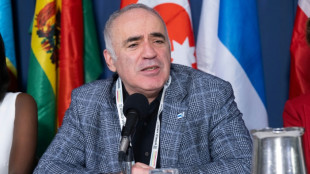
A key US Federal Reserve official warned Friday that a series of interest rate hikes could be needed if price shocks from the Middle East war are larger than expected, fuelling inflation.
"Federal funds rate increases, potentially a series of them, could be warranted, even at the risk of further weakness to the labor market," Minneapolis Fed President Neel Kashkari said, explaining his dissent to the central bank's overall decision this week.
Kashkari was among four officials who voted against the Fed's statement Wednesday after a two-day policy meeting. There are 12 voting members on the bank rate-setting committee.
Like him, two other regional Fed presidents, Beth Hammack and Lorie Logan, supported the decision to hold rates steady but not the bank's signal that a rate cut was their next likeliest move.
Hammack, too, pointed to the risk of steeper inflation in defending her decision.
Fed governor Stephen Miran, however, continued pushing for lower interest rates.
This was the most number of dissents since October 1992, highlighting the challenges that Fed Chair Jerome Powell's expected successor, Kevin Warsh, will face if he is confirmed by lawmakers.
The rate-setting Federal Open Market Committee "should offer a policy outlook that signals that the next rate change could be either a cut or a hike, depending on how the economy evolves," Kashkari said on Friday.
He flagged risks from an extended closure of the Strait of Hormuz due to conflict in the Middle East, and the potential for more damage to energy and commodity infrastructure in the region.
Tehran has virtually blocked the waterway, a key route for energy and fertilizer shipments, after US-Israeli strikes since February 28.
This has caused a surge in oil prices, feeding into worries that inflation could be more persistent.
In a separate statement, Hammack of the Cleveland Fed said: "I dissented from the post-meeting statement because I did not believe it was appropriate to include an easing bias around the future path for monetary policy."
"Inflation pressures continue to be broad based, and rising oil prices present an additional source of inflationary pressure," she said.
President Donald Trump has made no secret of his wish for more interest rate cuts, slamming Powell repeatedly for not slashing them more aggressively.
As Trump steps up pressure on the independent institution, Powell announced Wednesday that he would stay on as Fed governor even after his term as chairman expires on May 15.
Powell can remain on the Fed's board of governors until 2028, and his decision sparked a wave of fresh criticism from the Trump administration.
D. Meier--BTZ