UN to list more sites as 'in danger' from conflict or climate change / Photo: © AFP

 London
 17 °C
17 °C

 Manchester
 13 °C
13 °C
 Glasgow
 15 °C
15 °C
 Dublin
14 °C
Dublin
14 °C
 Belfast
14 °C
Belfast
14 °C
 Washington
12 °C
Washington
12 °C
 Denver
 15 °C
15 °C
 Atlanta
 16 °C
16 °C
 Dallas
23 °C
Dallas
23 °C
 Houston Texas
25 °C
Houston Texas
25 °C
 New Orleans
25 °C
New Orleans
25 °C
 El Paso
18 °C
El Paso
18 °C
 Phoenix
24 °C
Phoenix
24 °C
 Los Angeles
20 °C
San Diego
Los Angeles
20 °C
San Diego
 20 °C
San Francisco
16 °C
Chicago
16 °C
Minneapolis
15 °C
Seattle
20 °C
San Francisco
16 °C
Chicago
16 °C
Minneapolis
15 °C
Seattle
 13 °C
Portland
15 °C
Salt Lake City
16 °C
Las Vegas
25 °C
Miami
25 °C
Jacksonville
19 °C
San Antonio
25 °C
Bermuda
28 °C
Nassau
14 °C
Iqaluit
2 °C
Yellowknife
4 °C
Anchorage
6 °C
Fairbanks
1 °C
Barrow
-3 °C
Calgary
9 °C
Edmonton
14 °C
Winnipeg
15 °C
Goose Bay
6 °C
Halifax
13 °C
Boston
10 °C
Ottawa
7 °C
Toronto
9 °C
Detroit
10 °C
Cleveland
9 °C
New York
14 °C
Baltimore
13 °C
Philadelphia
14 °C
Nuuk (Godthåb)
1 °C
Hong Kong
30 °C
Singapore
30 °C
Melbourne
23 °C
Canberra
18 °C
Adelaide
19 °C
Darwin
30 °C
Perth
18 °C
Fort Worth
24 °C
Honolulu
26 °C
Sydney
21 °C
Johannesburg
24 °C
Dubai
37 °C
Mumbai
31 °C
Zürich
17 °C
Tokyo
25 °C
Seoul
20 °C
Delhi
32 °C
Beijing
24 °C
Riyadh
41 °C
Prague
14 °C
Pennsylvania
8 °C
Valletta
27 °C
Manama
38 °C
Warsaw
15 °C
Stockholm
13 °C
13 °C
Portland
15 °C
Salt Lake City
16 °C
Las Vegas
25 °C
Miami
25 °C
Jacksonville
19 °C
San Antonio
25 °C
Bermuda
28 °C
Nassau
14 °C
Iqaluit
2 °C
Yellowknife
4 °C
Anchorage
6 °C
Fairbanks
1 °C
Barrow
-3 °C
Calgary
9 °C
Edmonton
14 °C
Winnipeg
15 °C
Goose Bay
6 °C
Halifax
13 °C
Boston
10 °C
Ottawa
7 °C
Toronto
9 °C
Detroit
10 °C
Cleveland
9 °C
New York
14 °C
Baltimore
13 °C
Philadelphia
14 °C
Nuuk (Godthåb)
1 °C
Hong Kong
30 °C
Singapore
30 °C
Melbourne
23 °C
Canberra
18 °C
Adelaide
19 °C
Darwin
30 °C
Perth
18 °C
Fort Worth
24 °C
Honolulu
26 °C
Sydney
21 °C
Johannesburg
24 °C
Dubai
37 °C
Mumbai
31 °C
Zürich
17 °C
Tokyo
25 °C
Seoul
20 °C
Delhi
32 °C
Beijing
24 °C
Riyadh
41 °C
Prague
14 °C
Pennsylvania
8 °C
Valletta
27 °C
Manama
38 °C
Warsaw
15 °C
Stockholm
13 °C
The United Nations looks set to list a Biblical site, Lebanese castles, an antelope migration path and the world's deepest lake as world treasures under threat, including from war or climate change.
The 196 members states of the United Nations Educational, Scientific and Cultural Organisation (UNESCO) are to cast votes from Friday next week on new additions to its World Heritage and World Heritage in Danger lists when they meet in Busan, South Korea.
"We may not have the means to deploy peacekeepers... but we can send a message to the entire world," the director of UNESCO's World Heritage Centre, Lazare Eloundou Assomo told AFP.
"These sites are important, and everything must be done to prevent their destruction."
Safeguarding "heritage allows communities that have been traumatised, victims of conflicts, to begin to come back and rebuild," he added.
Some 1,200 sites around the globe are listed as part of UNESCO World Heritage.
Making the heritage list often sparks a lucrative tourism drive, and can unlock funding for the preservation of sites that can face threats including pollution, war and negligence.
A site being qualified as heritage in danger, Assomo said, was not a reprimand but a measure meant to help states "find funding, partners and attention" to better preserve it.
- Fast-tracked to 'in danger' -
Three sites, so far unlisted, are expected to be fast-tracked and voted straight onto the list of endangered places.
These could include the archaeological site of Sebastia, identified as being Biblical Samaria, in the Israeli-occupied Palestinian territory of the West Bank.
The site itself is in an area of the West Bank under Israeli control.
But Palestinians in the adjacent village, which is under dual Israeli-Palestinian control, have long depended on tourist visits to the ruins for their income and fear Israel could completely cut off access.
Israel left UNESCO in 2017, but remains a member of the World Heritage Committee, which has the final say on which sites are inscribed on each list.
Also to be given priority are five castles in south Lebanon, an area under fire from Israel, one of which -- the Crusader fortress of Qalaat al-Chakif or Beaufort Castle -- Israeli troops captured in May.
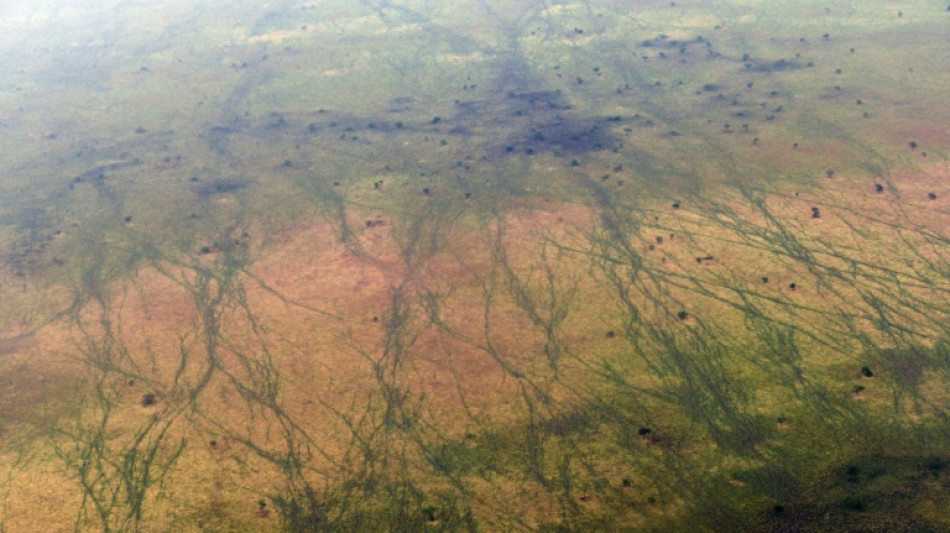
UNESCO members are also to vote on directly listing the Boma-Badingilo grassland and woodland savannahs in South Sudan the as under threat from both war and climate change.
One million animals -- including antelopes and gazelles -- migrate through the vast wilderness located between the White Nile and the Ethiopian border every year, leaving scars on the grasslands that are visible from the sky.
Beyond these priority cases, some sites already listed as heritage spots could now further be labelled as endangered.
These include the remains of Roman baths and a second-century triumphal arch and hippodrome in the southern Lebanese city of Tyre, which has come under heavy Israeli bombardment in recent months.
Also a potential candidate is the ancient Greek settlement of Tauric Chersonese in the Crimea peninsula that Russia unilaterally annexed from Ukraine in 2014.
Ukraine argues it is under threat from unauthorised excavations, large-scale construction projects, and the relocation of artifacts after Russia's invasion of Crimea.
- 'Ecological degradation' -
In Russia, the world's deepest lake -- Lake Baikal -- could also be labelled in danger as authorities struggle to contain damage from pollution, mass tourism, large-scale logging and lower water levels due to a dam upstream in Mongolia.
The vast Siberian lake contains 20 percent of the world's total unfrozen freshwater reserve, according to Russia. Known as the "Galapagos of Russia", it is home to a huge variety of flora and fauna.
But in a 2023 report, the UN agency warned that if the "unfolding ecological degradation of Lake Baikal" was not urgently stopped and reversed, it would be classified as in danger.
"Some actions are being implemented to address this," it added, but "the mission considers that they are not sufficient".
Other sites are also vying for a simple listing.
In France, the Normandy beaches on which the Allies landed on June 6, 1944 during World War II could finally receive UNESCO recognition.
Two theatres built in the Amazon forest in Brazil and the Tunisian village of Sidi Bou Said might also be listed.
A. Bogdanow--BTZ