AI borrowing binge rattles US markets / Photo: © GETTY IMAGES NORTH AMERICA/AFP

 London
 14 °C
14 °C

 Manchester
16 °C
Manchester
16 °C
 Glasgow
12 °C
Glasgow
12 °C
 Dublin
14 °C
Dublin
14 °C
 Belfast
 11 °C
11 °C
 Washington
 15 °C
15 °C
 Denver
23 °C
Denver
23 °C
 Atlanta
20 °C
Atlanta
20 °C
 Dallas
23 °C
Dallas
23 °C
 Houston Texas
 28 °C
28 °C
 New Orleans
25 °C
New Orleans
25 °C
 El Paso
23 °C
El Paso
23 °C
 Phoenix
33 °C
Phoenix
33 °C
 Los Angeles
33 °C
San Diego
31 °C
San Francisco
18 °C
Chicago
15 °C
Minneapolis
16 °C
Seattle
17 °C
Portland
21 °C
Salt Lake City
24 °C
Las Vegas
33 °C
Miami
27 °C
Jacksonville
25 °C
San Antonio
27 °C
Bermuda
26 °C
Nassau
15 °C
Iqaluit
Los Angeles
33 °C
San Diego
31 °C
San Francisco
18 °C
Chicago
15 °C
Minneapolis
16 °C
Seattle
17 °C
Portland
21 °C
Salt Lake City
24 °C
Las Vegas
33 °C
Miami
27 °C
Jacksonville
25 °C
San Antonio
27 °C
Bermuda
26 °C
Nassau
15 °C
Iqaluit
 -1 °C
Yellowknife
7 °C
Anchorage
9 °C
Fairbanks
7 °C
Barrow
-2 °C
Calgary
21 °C
Edmonton
14 °C
Winnipeg
14 °C
Goose Bay
9 °C
Halifax
11 °C
Boston
12 °C
Ottawa
7 °C
Toronto
9 °C
Detroit
11 °C
Cleveland
10 °C
New York
15 °C
Baltimore
15 °C
Philadelphia
14 °C
Nuuk (Godthåb)
3 °C
Hong Kong
24 °C
Singapore
-1 °C
Yellowknife
7 °C
Anchorage
9 °C
Fairbanks
7 °C
Barrow
-2 °C
Calgary
21 °C
Edmonton
14 °C
Winnipeg
14 °C
Goose Bay
9 °C
Halifax
11 °C
Boston
12 °C
Ottawa
7 °C
Toronto
9 °C
Detroit
11 °C
Cleveland
10 °C
New York
15 °C
Baltimore
15 °C
Philadelphia
14 °C
Nuuk (Godthåb)
3 °C
Hong Kong
24 °C
Singapore
 30 °C
Melbourne
28 °C
Canberra
30 °C
Melbourne
28 °C
Canberra
 20 °C
Adelaide
18 °C
Darwin
20 °C
Adelaide
18 °C
Darwin
 30 °C
Perth
22 °C
Fort Worth
23 °C
Honolulu
28 °C
Sydney
27 °C
Johannesburg
13 °C
Dubai
31 °C
Mumbai
28 °C
Zürich
12 °C
Tokyo
26 °C
Seoul
18 °C
Delhi
26 °C
Beijing
20 °C
Riyadh
27 °C
Prague
9 °C
Pennsylvania
12 °C
Valletta
21 °C
Manama
32 °C
Warsaw
11 °C
Stockholm
15 °C
30 °C
Perth
22 °C
Fort Worth
23 °C
Honolulu
28 °C
Sydney
27 °C
Johannesburg
13 °C
Dubai
31 °C
Mumbai
28 °C
Zürich
12 °C
Tokyo
26 °C
Seoul
18 °C
Delhi
26 °C
Beijing
20 °C
Riyadh
27 °C
Prague
9 °C
Pennsylvania
12 °C
Valletta
21 °C
Manama
32 °C
Warsaw
11 °C
Stockholm
15 °C
The world's richest companies can no longer rely on their massive cash piles alone to stay in the artificial intelligence race and have suddenly started borrowing massively in a shift that is sending repercussions across the world.
Rising US interest rates, including on the Treasury bonds that anchor the global economy, are sending tremors through the financial world, and some analysts point to the AI borrowing bonanza as one of the culprits.
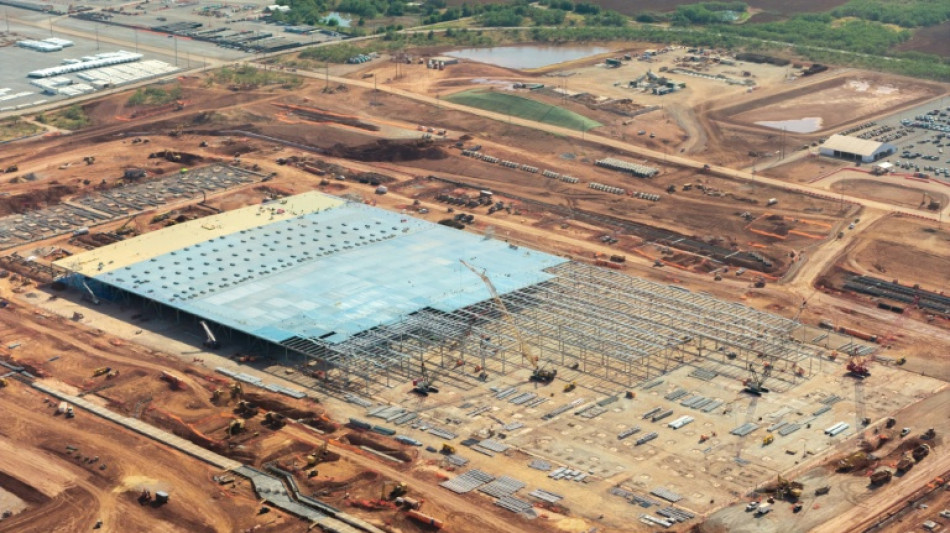
From next to nothing in 2024, tech sector borrowing has reached around $500 billion in the nine months since January, as Google, Meta, Amazon, Microsoft and others raise debt hand over fist to finance the chips, servers and data centers that power AI.
Goldman Sachs expects a further ramp-up in 2027, to $1.2 trillion.
"This is not something that we've seen before," said Chris Della Fave, senior vice president at fundraising advisory firm Post Oak Group, who estimates that AI now accounts for 25 percent of all corporate bond issuance, up from 4 percent two years ago.
In inflation-adjusted terms, the AI sector is expected to borrow more this year than US cable operators did to build out the entire internet, or than railroad companies did during the 19th-century US rail boom.
So far, investors have eagerly snapped up the chance to lend to the tech giants, but they have demanded returns that would have been unthinkable for such blue-chip companies not long ago.
Even Meta has had to offer more than 7 percent a year, while riskier cloud data center specialists have gone above 9 percent.
The impact reaches well beyond the companies building AI -- their debt is even starting to crowd out demand for the US government bonds that anchor the financial system.
An investor who might otherwise buy a US Treasury bond "might decide to buy Microsoft" instead, said Mark Malek, chief investment officer at Siebert Financial, referring to the tech giant's bonds.
That shift pushes up the rates Washington pays to borrow, he explained.
This adds to the other force driving up US borrowing costs: inflation, fueled by the war against Iran and high energy prices.
The interest rate on 10-year US government bonds -- Wall Street's benchmark and widely seen as the most important number in global finance, setting the tone for everything from mortgages to car loans -- is now above 5.30 percent, its highest level since 2002.
- 'Sharper correction' -
Adding to the volatility, hedge funds had piled into US government bonds like never before, holding 7 percent of all those in circulation at the end of 2025, though that share has since fallen.
Hedge funds, which place big bets on markets, move their money far faster than more cautious investors such as insurers and pension funds.
Even if the war and the oil situation stabilized, Della Fave said, "I wouldn't expect the yields to dramatically reduce, to be honest, because of this influence of the AI debt situation."
Beyond the rising cost of borrowing, some are questioning the risks of betting on an AI boom that could hit a wall, as the dot-com bubble did in 2000.
Even a moderate slowdown in the frenzied pace of construction, delays on certain projects or weaker-than-expected revenue growth could trigger a shock in financial markets, Malek warned.
In late September, the Bank of England's Financial Policy Committee warned that "the risk of a sharper correction persists," particularly if concerns about the pace of AI development or adoption hit earnings expectations.
In July, amid some second-guessing about the AI boom, the tech-heavy Nasdaq index fell nearly 7 percent.
Against this backdrop, cloud specialist Oracle is sometimes seen as a bellwether.
With massive debt ($125 billion), cash reserves that shrink every quarter and a possible delay on a huge data center project in New Mexico, several warning lights are flashing for Larry Ellison's group.
"Let's say Oracle has a problem... They can't pay for something," Malek said. Trouble with its debt "could trigger contagion" across AI finance as a whole, he added.
A. Williams--BTZ