AI gobbling up memory chips essential to gadget makers / Photo: © AFP

 London
 23 °C
23 °C

 Manchester
18 °C
Manchester
18 °C
 Glasgow
 29 °C
29 °C
 Dublin
18 °C
Dublin
18 °C
 Belfast
 14 °C
14 °C
 Washington
24 °C
Washington
24 °C
 Denver
13 °C
Denver
13 °C
 Atlanta
 22 °C
22 °C
 Dallas
28 °C
Dallas
28 °C
 Houston Texas
28 °C
Houston Texas
28 °C
 New Orleans
27 °C
New Orleans
27 °C
 El Paso
26 °C
El Paso
26 °C
 Phoenix
 34 °C
34 °C
 Los Angeles
20 °C
San Diego
20 °C
San Francisco
Los Angeles
20 °C
San Diego
20 °C
San Francisco
 15 °C
Chicago
24 °C
Minneapolis
15 °C
Seattle
15 °C
Portland
17 °C
Salt Lake City
18 °C
Las Vegas
30 °C
Miami
15 °C
Chicago
24 °C
Minneapolis
15 °C
Seattle
15 °C
Portland
17 °C
Salt Lake City
18 °C
Las Vegas
30 °C
Miami
 28 °C
Jacksonville
23 °C
San Antonio
26 °C
Bermuda
27 °C
Nassau
22 °C
Iqaluit
5 °C
Yellowknife
10 °C
Anchorage
14 °C
Fairbanks
14 °C
Barrow
7 °C
Calgary
13 °C
Edmonton
20 °C
Winnipeg
12 °C
Goose Bay
14 °C
Halifax
17 °C
Boston
18 °C
Ottawa
16 °C
Toronto
15 °C
Detroit
17 °C
Cleveland
18 °C
New York
28 °C
Jacksonville
23 °C
San Antonio
26 °C
Bermuda
27 °C
Nassau
22 °C
Iqaluit
5 °C
Yellowknife
10 °C
Anchorage
14 °C
Fairbanks
14 °C
Barrow
7 °C
Calgary
13 °C
Edmonton
20 °C
Winnipeg
12 °C
Goose Bay
14 °C
Halifax
17 °C
Boston
18 °C
Ottawa
16 °C
Toronto
15 °C
Detroit
17 °C
Cleveland
18 °C
New York
 22 °C
Baltimore
24 °C
Philadelphia
22 °C
Nuuk (Godthåb)
9 °C
Hong Kong
29 °C
Singapore
32 °C
Melbourne
24 °C
Canberra
5 °C
Adelaide
11 °C
Darwin
26 °C
Perth
15 °C
Fort Worth
27 °C
Honolulu
25 °C
Sydney
10 °C
Johannesburg
20 °C
Dubai
38 °C
Mumbai
28 °C
Zürich
29 °C
Tokyo
29 °C
Seoul
33 °C
Delhi
30 °C
Beijing
34 °C
Riyadh
22 °C
Baltimore
24 °C
Philadelphia
22 °C
Nuuk (Godthåb)
9 °C
Hong Kong
29 °C
Singapore
32 °C
Melbourne
24 °C
Canberra
5 °C
Adelaide
11 °C
Darwin
26 °C
Perth
15 °C
Fort Worth
27 °C
Honolulu
25 °C
Sydney
10 °C
Johannesburg
20 °C
Dubai
38 °C
Mumbai
28 °C
Zürich
29 °C
Tokyo
29 °C
Seoul
33 °C
Delhi
30 °C
Beijing
34 °C
Riyadh
 44 °C
Prague
33 °C
Pennsylvania
21 °C
Valletta
31 °C
Manama
36 °C
Warsaw
34 °C
Stockholm
24 °C
44 °C
Prague
33 °C
Pennsylvania
21 °C
Valletta
31 °C
Manama
36 °C
Warsaw
34 °C
Stockholm
24 °C
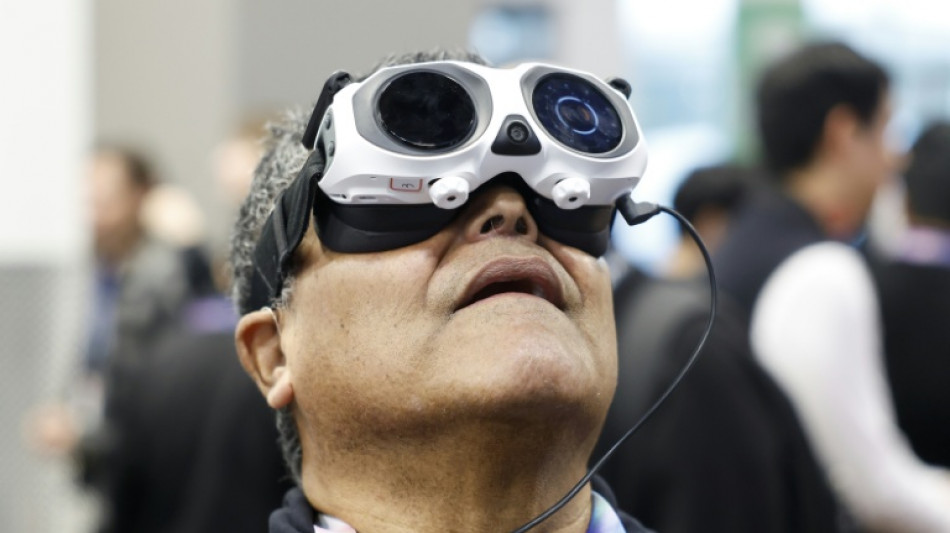
As devices from toys to cars get smarter at the Consumer Electronics Show, gadget makers are grappling with a shortage of memory and storage needed for them to work.
Dwindling supplies and soaring costs of Dynamic Random Access Memory (DRAM) that provides space for computers, smartphones, and game consoles to run applications or multitask was a hot topic behind the scenes at the annual gadget extravaganza in Las Vegas.
Once cheap and plentiful, DRAM -- along with memory chips to simply store data -- are in short supply because demand spiked by AI in everything from data centers to wearable devices.
"Everybody is screaming for more supply...they just can't find enough," Sangyeun Cho, who is responsible for Samsung Electronics' semiconductor business in the US, told AFP.
"And AI demand is still mounting."
DRAM and memory chip makers have shifted manufacturing capacity to cater to AI data centers.
Meanwhile, AI features being added to all kinds of products have increased the need for DRAM and memory in devices from laptops to smart rings.
The global semiconductor ecosystem is facing an unprecedented memory chip shortage that could persist well into next year, according to market tracker IDC.
"What began as an AI infrastructure boom has now rippled outward, with tightening memory supply, inflating prices, and reshaping product and pricing strategies across both consumer and enterprise devices," IDC analysts said in a blog post.
"For consumers and enterprises alike, this signals the end of an era of cheap, abundant memory and storage."
Costs of computers, drives and memory cards have already risen for consumers, according to Other World Computing founder and chief Larry O'Connor.
- Sniff not bark -
Gadget makers are adapting to the shortage by either paying premiums for DRAM and memory, redesigning their products, or foregoing some features, according to Michal Siwinski of Arteris, which specializes in providing connectivity inside chips.
"Maybe the (robotic) dog you'll get will sniff around and roll over, but it's not going to bark a serenade because it doesn't have enough memory," Siwinski said.
The shortage is already forcing efficiencies such as engineers writing tighter code to provide performance using less memory, according to O'Connor.
"These aren't bad things; they should have already happened," O'Connor said.
"The entire industry has been built around cheap software that has become very bloated over the last 20 years."
However, gadget makers must avoid their products underperforming due to memory compromises or pushing prices up too high by paying dearly for components, warned Techsponential analyst Avi Greengart.
"Here at CES we're still seeing the usual claims that our thing is the best and damn the RAM cost," Greengart said on the show floor.
"However, if you spend time in suites talking to (device makers), retailers and component manufacturers you get a very different story."
That story is that modifications will be made to keep prices in line with consumer expectations, according to Greengart.
- AI silicon next? -
The shortage vexing memory chips is being watched warily by other sectors, particularly companies that rely on semiconductors needed to power AI.
These powerful semiconductors and analog parts have "nothing to do" with DRAM, but companies are vigilant for any spillover effects, Infineon Technologies chief executive Jochen Hanebeck told AFP.
German semiconductor titan Infineon specializes in powering AI, a market where the amount of computing taking place is expected to continue rocketing.
"Customers are asking about capacities, and I think they have seen the lessons learned on DRAM, and that's why they are very mindful," said Hanebeck.
"There is a good chance for a shortage; it is a real challenge to manage that supply chain."
W. Winogradow--BTZ