Canada launches billion dollar plan to recruit top researchers / Photo: © GETTY IMAGES NORTH AMERICA/AFP

 London
 23 °C
23 °C

 Manchester
18 °C
Manchester
18 °C
 Glasgow
 29 °C
29 °C
 Dublin
18 °C
Dublin
18 °C
 Belfast
 14 °C
14 °C
 Washington
24 °C
Washington
24 °C
 Denver
13 °C
Denver
13 °C
 Atlanta
 22 °C
22 °C
 Dallas
28 °C
Dallas
28 °C
 Houston Texas
28 °C
Houston Texas
28 °C
 New Orleans
27 °C
New Orleans
27 °C
 El Paso
26 °C
El Paso
26 °C
 Phoenix
 34 °C
34 °C
 Los Angeles
20 °C
San Diego
20 °C
San Francisco
Los Angeles
20 °C
San Diego
20 °C
San Francisco
 15 °C
Chicago
24 °C
Minneapolis
15 °C
Seattle
15 °C
Portland
17 °C
Salt Lake City
18 °C
Las Vegas
30 °C
Miami
15 °C
Chicago
24 °C
Minneapolis
15 °C
Seattle
15 °C
Portland
17 °C
Salt Lake City
18 °C
Las Vegas
30 °C
Miami
 28 °C
Jacksonville
23 °C
San Antonio
26 °C
Bermuda
27 °C
Nassau
22 °C
Iqaluit
5 °C
Yellowknife
10 °C
Anchorage
14 °C
Fairbanks
14 °C
Barrow
7 °C
Calgary
13 °C
Edmonton
20 °C
Winnipeg
12 °C
Goose Bay
14 °C
Halifax
17 °C
Boston
18 °C
Ottawa
16 °C
Toronto
15 °C
Detroit
17 °C
Cleveland
18 °C
New York
28 °C
Jacksonville
23 °C
San Antonio
26 °C
Bermuda
27 °C
Nassau
22 °C
Iqaluit
5 °C
Yellowknife
10 °C
Anchorage
14 °C
Fairbanks
14 °C
Barrow
7 °C
Calgary
13 °C
Edmonton
20 °C
Winnipeg
12 °C
Goose Bay
14 °C
Halifax
17 °C
Boston
18 °C
Ottawa
16 °C
Toronto
15 °C
Detroit
17 °C
Cleveland
18 °C
New York
 22 °C
Baltimore
24 °C
Philadelphia
22 °C
Nuuk (Godthåb)
9 °C
Hong Kong
29 °C
Singapore
32 °C
Melbourne
24 °C
Canberra
5 °C
Adelaide
11 °C
Darwin
26 °C
Perth
15 °C
Fort Worth
27 °C
Honolulu
25 °C
Sydney
10 °C
Johannesburg
20 °C
Dubai
38 °C
Mumbai
28 °C
Zürich
29 °C
Tokyo
29 °C
Seoul
33 °C
Delhi
30 °C
Beijing
34 °C
Riyadh
22 °C
Baltimore
24 °C
Philadelphia
22 °C
Nuuk (Godthåb)
9 °C
Hong Kong
29 °C
Singapore
32 °C
Melbourne
24 °C
Canberra
5 °C
Adelaide
11 °C
Darwin
26 °C
Perth
15 °C
Fort Worth
27 °C
Honolulu
25 °C
Sydney
10 °C
Johannesburg
20 °C
Dubai
38 °C
Mumbai
28 °C
Zürich
29 °C
Tokyo
29 °C
Seoul
33 °C
Delhi
30 °C
Beijing
34 °C
Riyadh
 44 °C
Prague
33 °C
Pennsylvania
21 °C
Valletta
31 °C
Manama
36 °C
Warsaw
34 °C
Stockholm
24 °C
44 °C
Prague
33 °C
Pennsylvania
21 °C
Valletta
31 °C
Manama
36 °C
Warsaw
34 °C
Stockholm
24 °C
Canada on Tuesday launched a CAN$1.7 billion ($1.2 billion) program to recruit leading global researchers, part of the effort to poach intellectual talent looking to leave the United States because of President Donald Trump's policies.
Top Canadian institutions -- including the country's largest hospital network and the University of Toronto -- have previously announced multimillion dollar strategies to recruit experts whose work has been impacted by Trump's broad cuts to scientific research.
Canada's federal government has now joined this effort, in what it called "one of the largest recruitment programs of its kind globally."
The plan is not strictly catered to US-based researchers impacted by Trump.
A statement from the ministries of industry and health says the goal is "to attract and support more than 1,000 leading international and expatriate researchers," including French speakers.
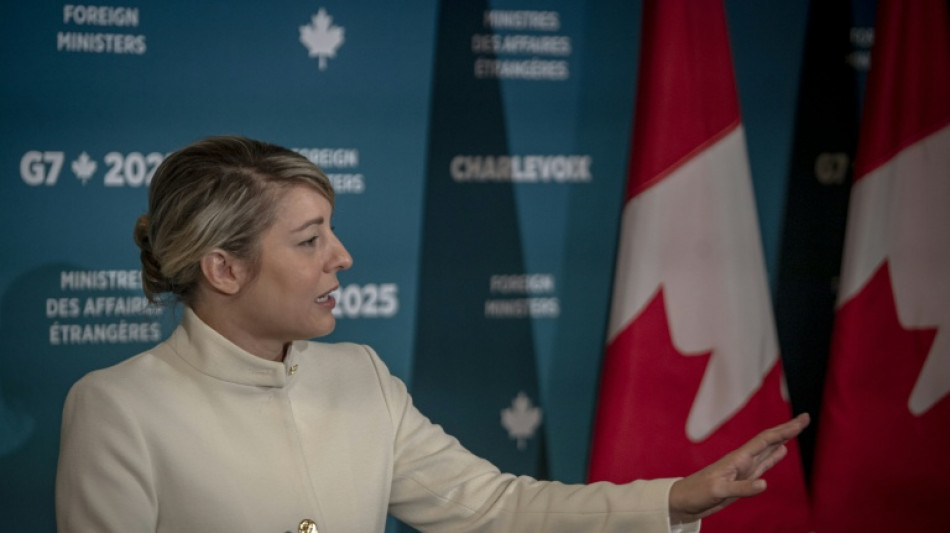
But asked by AFP at a press conference on Tuesday if scientists alienated by the president would be targeted for recruitment, Joly said, "some countries are turning their backs on academic freedom. We won't do that."
The recruitment effort would be global, she said, but added: "We know that many people south of the border are raising their hands and are already showing interest. Our universities have already started having these conversations."
Experts have warned that Trump's policies could trigger major shifts in the global competition to hire some of the world's brightest minds, which for decades has been dominated by deep-pocketed US universities backed by robust federal funding.
Trump's funding cuts have impacted a range of research projects, and studies that involve climate change or diversity, equity and inclusion have been heavily affected.
The European Union also made a push to draw US researchers, announcing an incentives package worth €500 million ($582 million) earlier this year to make the 27-nation bloc "a magnet for researchers."
Joly said a priority would be to encourage leading Canadian researchers working abroad to return.
"I think that for a long time in Canada, we've talked about brain drain," Joly said, voicing hope the country would now be able to "bring our people back home."
T. Jones--BTZ