Grand National field cut as part of safety moves / Photo: © AFP/File

 London
 16 °C
16 °C

 Manchester
 17 °C
17 °C
 Glasgow
13 °C
Glasgow
13 °C
 Dublin
18 °C
Dublin
18 °C
 Belfast
16 °C
Belfast
16 °C
 Washington
 29 °C
29 °C
 Denver
21 °C
Denver
21 °C
 Atlanta
23 °C
Atlanta
23 °C
 Dallas
 29 °C
29 °C
 Houston Texas
28 °C
Houston Texas
28 °C
 New Orleans
27 °C
New Orleans
27 °C
 El Paso
30 °C
El Paso
30 °C
 Phoenix
33 °C
Phoenix
33 °C
 Los Angeles
18 °C
San Diego
18 °C
San Francisco
13 °C
Chicago
21 °C
Minneapolis
22 °C
Seattle
15 °C
Portland
18 °C
Salt Lake City
23 °C
Las Vegas
30 °C
Miami
26 °C
Jacksonville
24 °C
San Antonio
27 °C
Bermuda
Los Angeles
18 °C
San Diego
18 °C
San Francisco
13 °C
Chicago
21 °C
Minneapolis
22 °C
Seattle
15 °C
Portland
18 °C
Salt Lake City
23 °C
Las Vegas
30 °C
Miami
26 °C
Jacksonville
24 °C
San Antonio
27 °C
Bermuda
 24 °C
Nassau
26 °C
Iqaluit
4 °C
Yellowknife
14 °C
Anchorage
13 °C
Fairbanks
16 °C
Barrow
2 °C
Calgary
15 °C
Edmonton
21 °C
Winnipeg
16 °C
Goose Bay
22 °C
Halifax
26 °C
Boston
28 °C
Ottawa
22 °C
Toronto
24 °C
Detroit
26 °C
Cleveland
22 °C
New York
25 °C
Baltimore
29 °C
Philadelphia
26 °C
Nuuk (Godthåb)
24 °C
Nassau
26 °C
Iqaluit
4 °C
Yellowknife
14 °C
Anchorage
13 °C
Fairbanks
16 °C
Barrow
2 °C
Calgary
15 °C
Edmonton
21 °C
Winnipeg
16 °C
Goose Bay
22 °C
Halifax
26 °C
Boston
28 °C
Ottawa
22 °C
Toronto
24 °C
Detroit
26 °C
Cleveland
22 °C
New York
25 °C
Baltimore
29 °C
Philadelphia
26 °C
Nuuk (Godthåb)
 5 °C
Hong Kong
30 °C
Singapore
32 °C
Melbourne
26 °C
Canberra
12 °C
Adelaide
14 °C
Darwin
29 °C
Perth
18 °C
Fort Worth
29 °C
Honolulu
24 °C
Sydney
17 °C
Johannesburg
7 °C
Dubai
35 °C
Mumbai
27 °C
Zürich
18 °C
Tokyo
27 °C
Seoul
29 °C
Delhi
38 °C
Beijing
37 °C
Riyadh
38 °C
Prague
5 °C
Hong Kong
30 °C
Singapore
32 °C
Melbourne
26 °C
Canberra
12 °C
Adelaide
14 °C
Darwin
29 °C
Perth
18 °C
Fort Worth
29 °C
Honolulu
24 °C
Sydney
17 °C
Johannesburg
7 °C
Dubai
35 °C
Mumbai
27 °C
Zürich
18 °C
Tokyo
27 °C
Seoul
29 °C
Delhi
38 °C
Beijing
37 °C
Riyadh
38 °C
Prague
 16 °C
Pennsylvania
28 °C
Valletta
28 °C
Manama
34 °C
Warsaw
16 °C
Stockholm
15 °C
16 °C
Pennsylvania
28 °C
Valletta
28 °C
Manama
34 °C
Warsaw
16 °C
Stockholm
15 °C
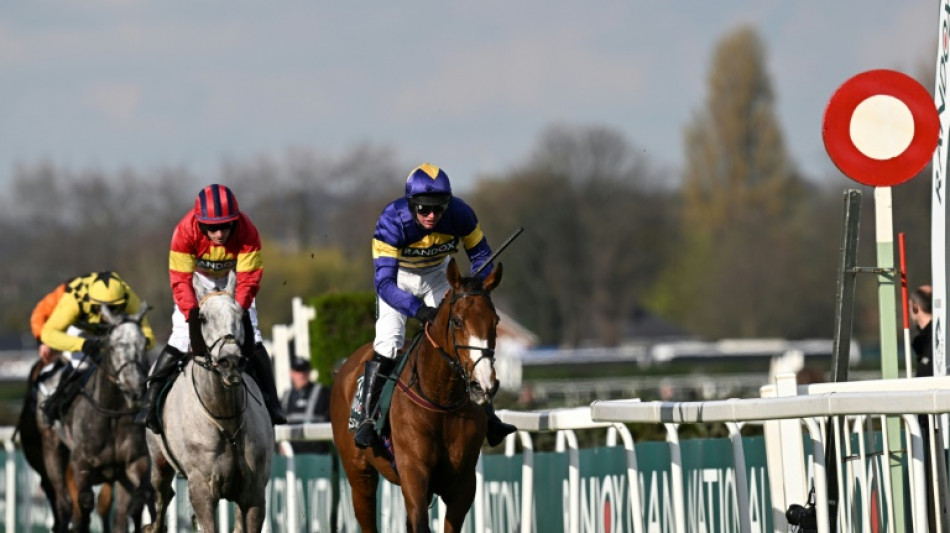
Next year's Grand National will have a maximum of 34 runners after the field size was reduced as part of new safety measures.
The Jockey Club, which hosts the annual steeplechase at Aintree, near Liverpool, said the changes were not a consequence of protests at the racecourse ahead of the most recent running, in April.
More than 100 people were arrested after activists from campaign group Animal Rising attempted to scale fences.
Some accessed the track and tried to glue themselves to the fences.
One horse, Hill Sixteen, died at the 2023 event.
The Jockey Club carries out a review of the event every year, including input from equine charity World Horse Welfare.
The key findings after the 2023 race have led to a reduction in the maximum field, with the safety limit cut by six to 34 runners from 2024 onwards.
Horses will be required to carry a rating of at least 130 to be eligible -– an increase on the previous lower limit of 125 and a switch that puts the race in line with Grade One contests.
A closer eye will also be kept on the jumping abilities of entrants, with those that have made jumping errors in 50 percent or more of their past eight races subject to enhanced scrutiny before being allowed to run.
"I believe that a competitive, fair and safe Grand National is one of the best ways of ensuring the sport continues to thrive for generations to come and remains an important part of Britain’s culture and economy," said Nevin Truesdale, chief executive of The Jockey Club.
"That means our sport, like many other sports have done, needs to recognise when action needs to be taken to evolve, because the safety and care of horses and jockeys will always be our number one priority."
Emma Slawinski, director for animal welfare charity the RSPCA, described the announcement as a "welcome step" but stressed the charity feels there is more work to be done.
Animal Rising co-founder Dan Kidby said: "Sadly, it's obvious that Hill Sixteen won't be the last horse to die at the Grand National and these dishonest welfare changes don't challenge the fundamental horror of horse racing.
"The public is smarter than the Jockey Club gives them credit for and sees right through these changes for what they are: a public relations stunt."
O. Karlsson--BTZ