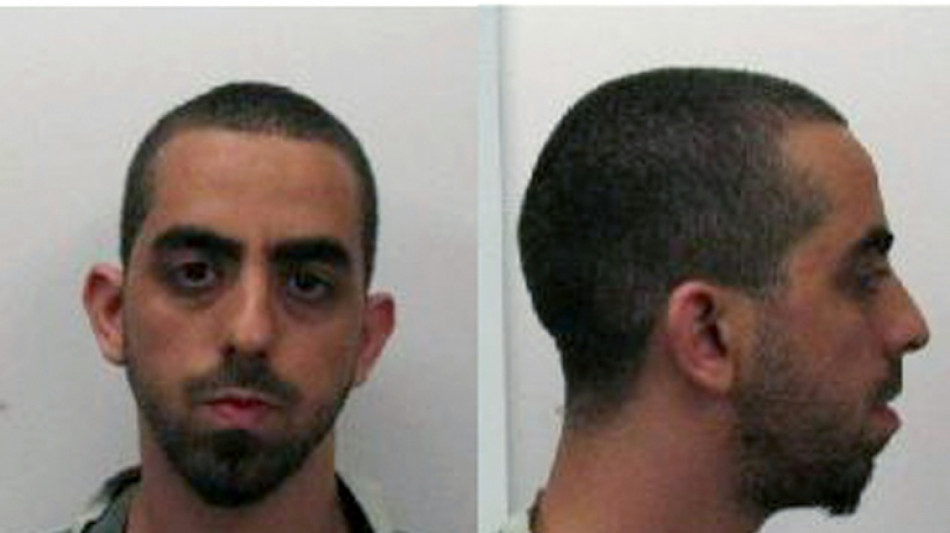
Rushdie assailant convicted of terrorism charges / Photo: © GETTY IMAGES NORTH AMERICA/AFP

 London
 23 °C
23 °C

 Manchester
 20 °C
20 °C
 Glasgow
 23 °C
23 °C
 Dublin
 17 °C
17 °C
 Belfast
18 °C
Belfast
18 °C
 Washington
24 °C
Washington
24 °C
 Denver
15 °C
Denver
15 °C
 Atlanta
24 °C
Atlanta
24 °C
 Dallas
29 °C
Dallas
29 °C
 Houston Texas
31 °C
Houston Texas
31 °C
 New Orleans
30 °C
New Orleans
30 °C
 El Paso
19 °C
El Paso
19 °C
 Phoenix
22 °C
Phoenix
22 °C
 Los Angeles
21 °C
San Diego
21 °C
San Francisco
17 °C
Chicago
Los Angeles
21 °C
San Diego
21 °C
San Francisco
17 °C
Chicago
 17 °C
Minneapolis
19 °C
Seattle
11 °C
Portland
15 °C
Salt Lake City
17 °C
Las Vegas
24 °C
Miami
28 °C
Jacksonville
30 °C
San Antonio
28 °C
Bermuda
28 °C
Nassau
20 °C
Iqaluit
4 °C
Yellowknife
2 °C
Anchorage
17 °C
Minneapolis
19 °C
Seattle
11 °C
Portland
15 °C
Salt Lake City
17 °C
Las Vegas
24 °C
Miami
28 °C
Jacksonville
30 °C
San Antonio
28 °C
Bermuda
28 °C
Nassau
20 °C
Iqaluit
4 °C
Yellowknife
2 °C
Anchorage
 3 °C
Fairbanks
1 °C
Barrow
3 °C
Fairbanks
1 °C
Barrow
 -2 °C
Calgary
7 °C
Edmonton
26 °C
Winnipeg
13 °C
Goose Bay
18 °C
Halifax
18 °C
Boston
18 °C
Ottawa
13 °C
Toronto
19 °C
Detroit
21 °C
Cleveland
21 °C
New York
21 °C
Baltimore
24 °C
Philadelphia
22 °C
Nuuk (Godthåb)
1 °C
Hong Kong
-2 °C
Calgary
7 °C
Edmonton
26 °C
Winnipeg
13 °C
Goose Bay
18 °C
Halifax
18 °C
Boston
18 °C
Ottawa
13 °C
Toronto
19 °C
Detroit
21 °C
Cleveland
21 °C
New York
21 °C
Baltimore
24 °C
Philadelphia
22 °C
Nuuk (Godthåb)
1 °C
Hong Kong
 30 °C
Singapore
26 °C
Melbourne
28 °C
Canberra
9 °C
Adelaide
18 °C
Darwin
27 °C
Perth
14 °C
Fort Worth
28 °C
Honolulu
24 °C
Sydney
16 °C
Johannesburg
11 °C
Dubai
30 °C
Singapore
26 °C
Melbourne
28 °C
Canberra
9 °C
Adelaide
18 °C
Darwin
27 °C
Perth
14 °C
Fort Worth
28 °C
Honolulu
24 °C
Sydney
16 °C
Johannesburg
11 °C
Dubai
 34 °C
Mumbai
27 °C
Zürich
27 °C
Tokyo
18 °C
Seoul
18 °C
Delhi
27 °C
Beijing
16 °C
Riyadh
37 °C
Prague
23 °C
Pennsylvania
24 °C
Valletta
25 °C
Manama
35 °C
Warsaw
19 °C
Stockholm
15 °C
34 °C
Mumbai
27 °C
Zürich
27 °C
Tokyo
18 °C
Seoul
18 °C
Delhi
27 °C
Beijing
16 °C
Riyadh
37 °C
Prague
23 °C
Pennsylvania
24 °C
Valletta
25 °C
Manama
35 °C
Warsaw
19 °C
Stockholm
15 °C
A federal jury on Wednesday convicted novelist Salman Rushdie's assailant of "engaging in an act of terrorism" for the bloody August 2022 attack at a New York cultural center.
Hadi Matar, a 28-year-old Lebanese American, "chose to align his values with the terroristic values of the leaders of Iran," said US Attorney Michael DiGiacomo, adding the defendant spent months planning the stabbing that nearly killed Rushdie and left him blind in one eye.
Matar was also convicted of supporting the Iran-backed Lebanese militant group Hezbollah, after investigators found materials from the organization at his home.
Federal prosecutors said Matar followed a fatwa calling for Rushdie's execution, first issued in 1989 by the late Iranian leader Ayatollah Ruhollah Khomeini, for fictionalizing the Prophet Muhammad in his bestselling book, "The Satanic Verses."
The fatwa was reaffirmed in 2017 by Iran's late Supreme Leader Ali Khamenei, and endorsed in a 2006 speech by Hezbollah leader Hassan Nasrallah, prosecutors said.
"His brutal attack on Mr. Rushdie during a peaceful speaking event is a chilling reminder of the global reach of Iranian terrorism," DiGiacomo said.
- 'I have my suspicions' -
Rushdie testified during Matar's federal trial last week, speaking in court for nearly an hour about the assault.
When asked if he believed Matar was motivated to carry out the fatwa, Rushdie replied: "I had no knowledge of that. I have my suspicions," according to US media.
The attack took place at the Chautauqua Institution in Mayville, New York, during a free speech conference, where then-24-year-old Matar leapt onto the stage and stabbed Rushdie repeatedly with a six-inch blade.
In 2024, Rushdie published a memoir recounting the near-death experience called "Knife," in which he has an imagined conversation with Matar.
A documentary about the assault, titled "Knife: The Attempted Murder of Salman Rushdie," premiered at the Sundance Film Festival earlier this year.
Matar was already convicted of attempted murder and sentenced to 25 years in prison by the New York state justice system, and now faces an additional maximum federal penalty of life in prison.
He is due for sentencing Nov. 3, though the New York Times reported Matar's attorney, Nathaniel Barone II, said he intended to appeal the ruling.
Matar told a reporter before his trials that he believed Rushdie had "attacked Islam."
Rushdie lived in seclusion in London for a decade after the 1989 fatwa, but for the past 20 years -- until the attack -- lived relatively normally in New York.
In 2026, Rushdie said violence is the tool of "the unscrupulous using the ignorant" to attack culture.
"For the authoritarian, culture is the enemy. Whether that's journalism or universities or music or writing," Rushdie said. "The uncultured and ignorant, and the radical don't like it, and they take steps against it, which we see every day."
I. Johansson--BTZ