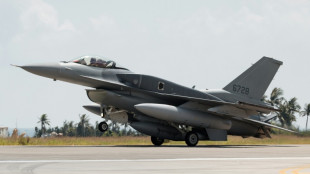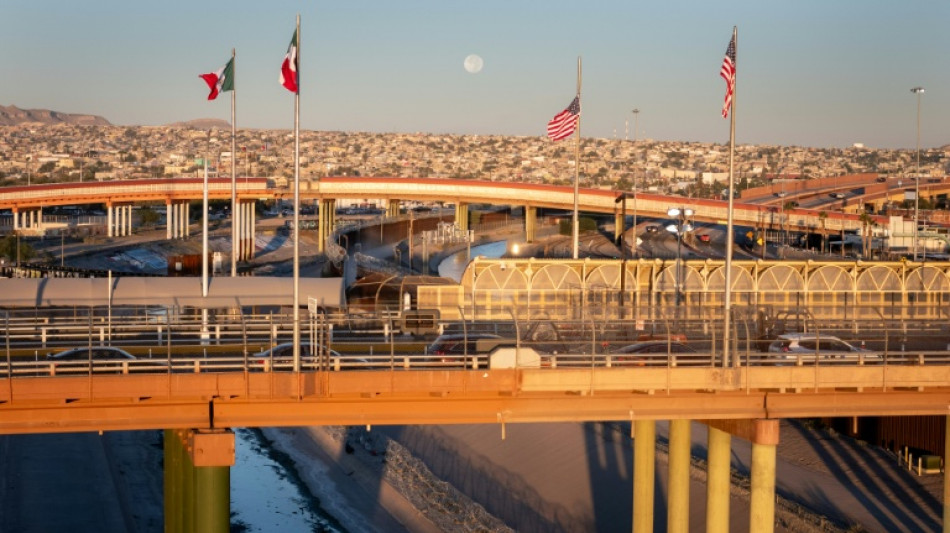
Scrutiny over US claim that Mexican drone invasion prompted airport closure / Photo: © GETTY IMAGES NORTH AMERICA/AFP/File

 London
 12 °C
12 °C

 Manchester
 14 °C
14 °C
 Glasgow
 15 °C
15 °C
 Dublin
14 °C
Dublin
14 °C
 Belfast
13 °C
Belfast
13 °C
 Washington
20 °C
Washington
20 °C
 Denver
 14 °C
14 °C
 Atlanta
22 °C
Atlanta
22 °C
 Dallas
22 °C
Dallas
22 °C
 Houston Texas
25 °C
Houston Texas
25 °C
 New Orleans
27 °C
New Orleans
27 °C
 El Paso
 21 °C
21 °C
 Phoenix
28 °C
Phoenix
28 °C
 Los Angeles
21 °C
San Diego
22 °C
San Francisco
14 °C
Chicago
Los Angeles
21 °C
San Diego
22 °C
San Francisco
14 °C
Chicago
 16 °C
Minneapolis
11 °C
Seattle
14 °C
Portland
18 °C
Salt Lake City
17 °C
Las Vegas
26 °C
Miami
27 °C
Jacksonville
25 °C
San Antonio
23 °C
Bermuda
24 °C
Nassau
20 °C
Iqaluit
4 °C
Yellowknife
5 °C
Anchorage
1 °C
Fairbanks
0 °C
Barrow
-8 °C
Calgary
8 °C
Edmonton
24 °C
Winnipeg
3 °C
Goose Bay
18 °C
Halifax
18 °C
Boston
20 °C
Ottawa
17 °C
Toronto
18 °C
Detroit
17 °C
Cleveland
24 °C
New York
22 °C
Baltimore
19 °C
Philadelphia
20 °C
Nuuk (Godthåb)
2 °C
Hong Kong
31 °C
Singapore
33 °C
Melbourne
27 °C
Canberra
14 °C
Adelaide
16 °C
Darwin
16 °C
Minneapolis
11 °C
Seattle
14 °C
Portland
18 °C
Salt Lake City
17 °C
Las Vegas
26 °C
Miami
27 °C
Jacksonville
25 °C
San Antonio
23 °C
Bermuda
24 °C
Nassau
20 °C
Iqaluit
4 °C
Yellowknife
5 °C
Anchorage
1 °C
Fairbanks
0 °C
Barrow
-8 °C
Calgary
8 °C
Edmonton
24 °C
Winnipeg
3 °C
Goose Bay
18 °C
Halifax
18 °C
Boston
20 °C
Ottawa
17 °C
Toronto
18 °C
Detroit
17 °C
Cleveland
24 °C
New York
22 °C
Baltimore
19 °C
Philadelphia
20 °C
Nuuk (Godthåb)
2 °C
Hong Kong
31 °C
Singapore
33 °C
Melbourne
27 °C
Canberra
14 °C
Adelaide
16 °C
Darwin
 33 °C
Perth
33 °C
Perth
 24 °C
Fort Worth
23 °C
Honolulu
26 °C
Sydney
21 °C
Johannesburg
8 °C
Dubai
34 °C
Mumbai
24 °C
Fort Worth
23 °C
Honolulu
26 °C
Sydney
21 °C
Johannesburg
8 °C
Dubai
34 °C
Mumbai
 35 °C
Zürich
14 °C
Tokyo
19 °C
Seoul
22 °C
Delhi
32 °C
Beijing
22 °C
Riyadh
34 °C
Prague
11 °C
Pennsylvania
18 °C
Valletta
24 °C
Manama
33 °C
Warsaw
10 °C
Stockholm
14 °C
35 °C
Zürich
14 °C
Tokyo
19 °C
Seoul
22 °C
Delhi
32 °C
Beijing
22 °C
Riyadh
34 °C
Prague
11 °C
Pennsylvania
18 °C
Valletta
24 °C
Manama
33 °C
Warsaw
10 °C
Stockholm
14 °C
The closure of a Texas airport triggered conflicting explanations Wednesday, as the government claimed an incursion by Mexican cartel drones but lawmakers and media reports suggested the Pentagon's use of anti-drone technology was to blame.
The US Federal Aviation Administration (FAA) said late Tuesday the airspace over the Texas border city of El Paso would be shut to all aircraft for 10 days, citing unspecified national "security reasons" -- only to lift the closure after less than 24 hours.
Transportation Secretary Sean Duffy said in a post on X that the FAA and the Defense Department "acted swiftly to address a cartel drone incursion," adding: "The threat has been neutralized."
But Representative Veronica Escobar, whose district includes El Paso, questioned the Trump administration's explanation, saying it was "not what we in Congress have been told."
Reports emerged later across US media that the federal government's own testing of anti-drone technology, at an air base abutting the El Paso International Airport, prompted the decision to close the entire area to all civilian flights.
Citing government sources, CBS said the FAA shut the airspace amid a dispute over whether it was safe to test the technology so close to the airport.
National Public Radio reported that the Defense Department had deployed the technology before the FAA could complete a safety assessment, prompting the sudden closure.
The Wall Street Journal, which along with CBS reported the device is a type of laser, said the Pentagon recently used the tech to shoot down what it thought was a drone in the area. It turned out to be a party balloon, sources told the broadsheet daily.
Mexican President Claudia Sheinbaum told a news conference she had "no information on the use of drones at the border," but that her government was investigating.
US authorities had threatened to shoot down planes that violated the closure of the airspace.
- 'Does not add up' -
"The information coming from the administration does not add up and it's not the information that I was able to gather overnight and this morning," Escobar told journalists Wednesday.
Top Democratic lawmakers from the House Committee on Transportation also suggested the Pentagon may have been responsible for the situation, saying defense policy legislation allows the US military to "act recklessly in the public airspace."
The Pentagon referred questions on the closure to the FAA, which said when it announced the move that "no pilots may operate an aircraft in the areas" covered by the restrictions and warned of potentially "deadly force" if aircraft were deemed a threat.
It updated its guidance Wednesday morning, saying on X that the closure was lifted.
Trump's administration insists it is effectively at war with "narco-terrorists," carrying out lethal strikes on alleged traffickers in the Caribbean and eastern Pacific, while the US president has repeatedly said he plans to expand the strikes to land.
Sheinbaum opposes US military intervention in her country but has so far managed to negotiate a fine diplomatic line with Trump.
She has stepped up extradition of cartel leaders to the United States and reinforced border cooperation amid tariff threats from Trump, for whom curbing illegal migration from Mexico was a key election promise.
P. O'Kelly--BTZ