Iran protest movement subsides in face of 'brutal' crackdown / Photo: © AFP

 London
 19 °C
19 °C
 Manchester
16 °C
Manchester
16 °C
 Glasgow
16 °C
Glasgow
16 °C
 Dublin
 15 °C
15 °C
 Belfast
12 °C
Belfast
12 °C
 Washington
 16 °C
16 °C
 Denver
 17 °C
17 °C
 Atlanta
14 °C
Atlanta
14 °C
 Dallas
 24 °C
24 °C
 Houston Texas
24 °C
Houston Texas
24 °C
 New Orleans
24 °C
New Orleans
24 °C
 El Paso
21 °C
El Paso
21 °C
 Phoenix
29 °C
Phoenix
29 °C
 Los Angeles
22 °C
San Diego
22 °C
San Francisco
14 °C
Chicago
14 °C
Minneapolis
14 °C
Seattle
10 °C
Portland
12 °C
Salt Lake City
20 °C
Las Vegas
Los Angeles
22 °C
San Diego
22 °C
San Francisco
14 °C
Chicago
14 °C
Minneapolis
14 °C
Seattle
10 °C
Portland
12 °C
Salt Lake City
20 °C
Las Vegas
 26 °C
Miami
24 °C
Jacksonville
16 °C
San Antonio
24 °C
Bermuda
24 °C
Nassau
15 °C
Iqaluit
26 °C
Miami
24 °C
Jacksonville
16 °C
San Antonio
24 °C
Bermuda
24 °C
Nassau
15 °C
Iqaluit
 2 °C
Yellowknife
2 °C
Anchorage
9 °C
Fairbanks
5 °C
Barrow
1 °C
Calgary
1 °C
Edmonton
8 °C
Winnipeg
14 °C
Goose Bay
13 °C
Halifax
15 °C
Boston
14 °C
Ottawa
14 °C
Toronto
13 °C
Detroit
12 °C
Cleveland
12 °C
New York
15 °C
Baltimore
15 °C
Philadelphia
14 °C
Nuuk (Godthåb)
2 °C
Yellowknife
2 °C
Anchorage
9 °C
Fairbanks
5 °C
Barrow
1 °C
Calgary
1 °C
Edmonton
8 °C
Winnipeg
14 °C
Goose Bay
13 °C
Halifax
15 °C
Boston
14 °C
Ottawa
14 °C
Toronto
13 °C
Detroit
12 °C
Cleveland
12 °C
New York
15 °C
Baltimore
15 °C
Philadelphia
14 °C
Nuuk (Godthåb)
 -1 °C
Hong Kong
-1 °C
Hong Kong
 30 °C
Singapore
26 °C
Melbourne
18 °C
Canberra
10 °C
Adelaide
16 °C
Darwin
30 °C
Perth
30 °C
Singapore
26 °C
Melbourne
18 °C
Canberra
10 °C
Adelaide
16 °C
Darwin
30 °C
Perth
 18 °C
Fort Worth
24 °C
Honolulu
26 °C
Sydney
13 °C
Johannesburg
24 °C
Dubai
36 °C
Mumbai
32 °C
Zürich
20 °C
Tokyo
22 °C
Seoul
24 °C
Delhi
30 °C
Beijing
27 °C
Riyadh
41 °C
Prague
17 °C
Pennsylvania
16 °C
Valletta
25 °C
Manama
37 °C
Warsaw
18 °C
Stockholm
11 °C
18 °C
Fort Worth
24 °C
Honolulu
26 °C
Sydney
13 °C
Johannesburg
24 °C
Dubai
36 °C
Mumbai
32 °C
Zürich
20 °C
Tokyo
22 °C
Seoul
24 °C
Delhi
30 °C
Beijing
27 °C
Riyadh
41 °C
Prague
17 °C
Pennsylvania
16 °C
Valletta
25 °C
Manama
37 °C
Warsaw
18 °C
Stockholm
11 °C
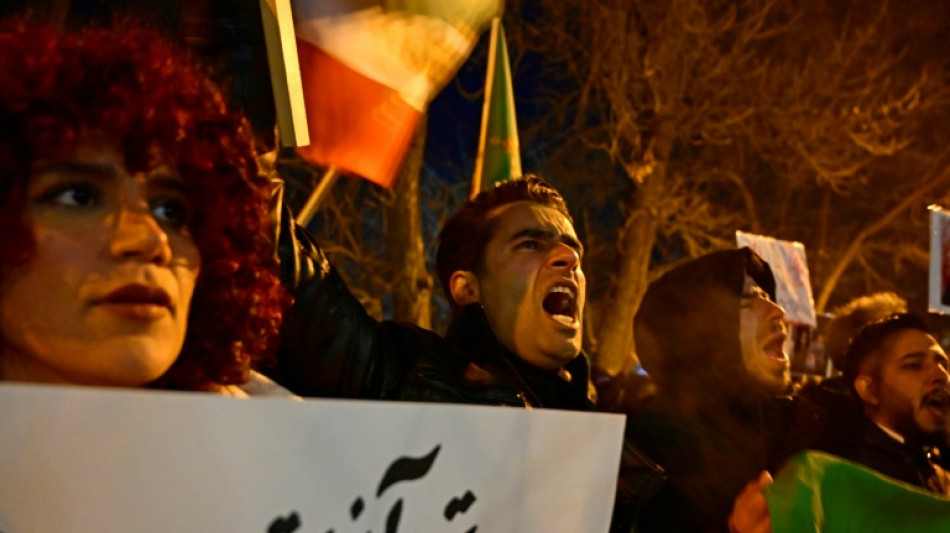
The protest movement in Iran has subsided after a crackdown that has killed thousands under an internet blackout, monitors said Friday, one week after the start of the biggest protests in years challenging the Islamic republic's theocratic system.
The threat of new military action by the United States against Iran has also appeared to have receded for the time being, with a Saudi official saying Gulf allies have persuaded President Donald Trump to give the Iranian leadership a "chance".
Protests sparked by economic grievances started with a shutdown in the Tehran bazaar on December 28 but turned into a mass movement demanding the removal of the clerical system that has ruled Iran since the 1979 revolution.
People started pouring into the streets in big cities from January 8 but authorities immediately enforced a shutdown of the internet that has lasted over a week and activists say is aimed at masking the scale of the crackdown.
The repression has "likely suppressed the protest movement for now", said the US-based Institute for the Study of War, which has monitored the protest activity.
But it added: "The regime's widespread mobilisation of security forces is unsustainable, however, which makes it possible that protests could resume."
Norway-based rights group Iran Human Rights (IHR) says 3,428 protesters have been verified to have been killed by security forces, but warns this could be a fraction of the actual toll.
Its director Mahmood Amiry-Moghaddam said authorities under supreme leader Ayatollah Ali Khamenei have "committed one of the gravest crimes of our time".
He cited "horrifying eyewitness accounts" received by IHR of "protesters being shot dead while trying to flee, the use of military-grade weapons and the street execution of wounded protesters".
Lama Fakih, programme director at Human Rights Watch, said the killings since last week "are unprecedented in the country".
Monitor Netblocks said that the "total internet blackout" in Iran had now lasted over 180 hours, longer than a similar measure that was imposed during 2019 protests.
- 'Give Iran a chance' -
Trump, who backed and joined Israel's 12-day war against Iran in June, had not ruled out new military action against Tehran and made clear he was keeping a close eye on if any protesters were executed.
But with the belligerent rhetoric on all sides appearing to tone down for now, a senior Saudi official told AFP on Thursday that Saudi Arabia, Qatar and Oman led "a long, frantic, diplomatic last-minute effort to convince President Trump to give Iran a chance to show good intention".
While Washington appeared to have stepped back, the White House said Thursday that "all options remain on the table for the president".
White House Press Secretary Karoline Leavitt told reporters Thursday that "the president understands today that 800 executions that were scheduled and supposed to take place yesterday were halted".
Iran is the most prolific user of capital punishment after China. But there has been no suggestion from Iranian authorities -- or rights activists who have repeatedly condemned a recent surge in hangings before the protest wave -- that so many people were due to be executed in a single day.
Attention had focused on the fate of a single protester, Erfan Soltani, a 26-year-old who rights activists and Washington said was set to be executed as early as Wednesday.
The Iranian judiciary confirmed Soltani was under arrest but said he had not been sentenced to death and his charges meant he did not risk capital punishment.
- 'All Iranians united' -
Asked about a New York Times report that Israeli Prime Minister Benjamin Netanyahu warned Trump against strikes, Leavitt said: "Look, it's true that the president spoke with (him), but I would never give details about their conversation without... the express approval by the president himself."
The US Treasury also announced new sanctions targeting Iranian officials on Thursday including Ali Larijani, secretary of Iran's Supreme Council for National Security.
Despite the internet shutdown, new videos from the height of the protests, with locations verified by AFP, showed bodies lined up in the Kahrizak morgue south of Tehran, as distraught relatives searched for loved ones.
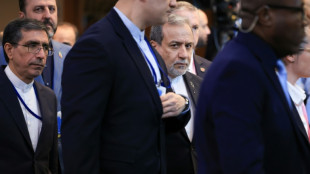
At the UN Security Council in New York, Iranian-American journalist Masih Alinejad, invited to address the body by Washington, said "all Iranians are united" against the clerical system in Iran.
Iran's representative at the meeting Gholamhossein Darzi accused Washington of "exploitation of peaceful protests for geopolitical purposes."
P. O'Kelly--BTZ